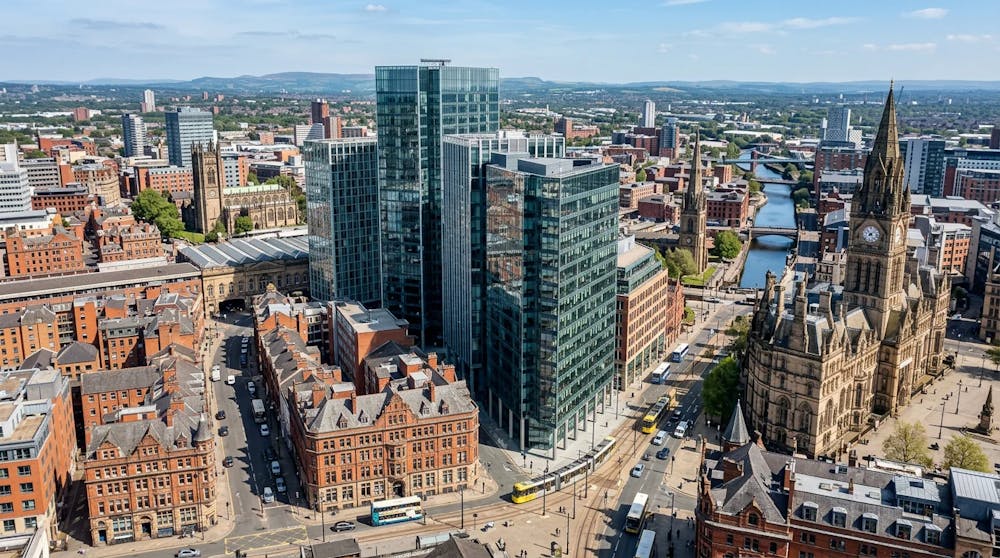
Prime office rent in Bristol reached £52.00 per square foot in the first quarter of 2026, a level that places the city among the most expensive regional markets in the country. For any business weighing its options, understanding this pressure matters before signing a lease. If you are comparing choices, our Bristol office rent options guide sets out what different budgets realistically secure across the city today.
Securing commercial property in Bristol has become a competitive exercise rather than a simple transaction. According to JLL research, take-up reached 160,400 square feet in Q1 2026, reflecting steady demand within a market defined by limited availability. This combination of appetite and scarcity shapes almost every decision facing occupiers this year.
The state of the Bristol office market in 2026
Numbers tell the clearest story. Overall vacancy stood at roughly 5.0% at the start of 2026, and the highest quality stock is scarcer still. JLL reported that Grade A vacancy edged down to 2.8% during the quarter, from 3.0% at the close of 2025. When the best space is this constrained, competition intensifies and lead times lengthen.
Demand has not softened either. Independent analysis from Savills recorded 22 transactions in the first quarter of 2026, with take-up 16% higher than the same period in 2025 and the strongest opening quarter since 2022. For occupiers, this means that waiting for prices to fall is a strategy with meaningful risk attached.
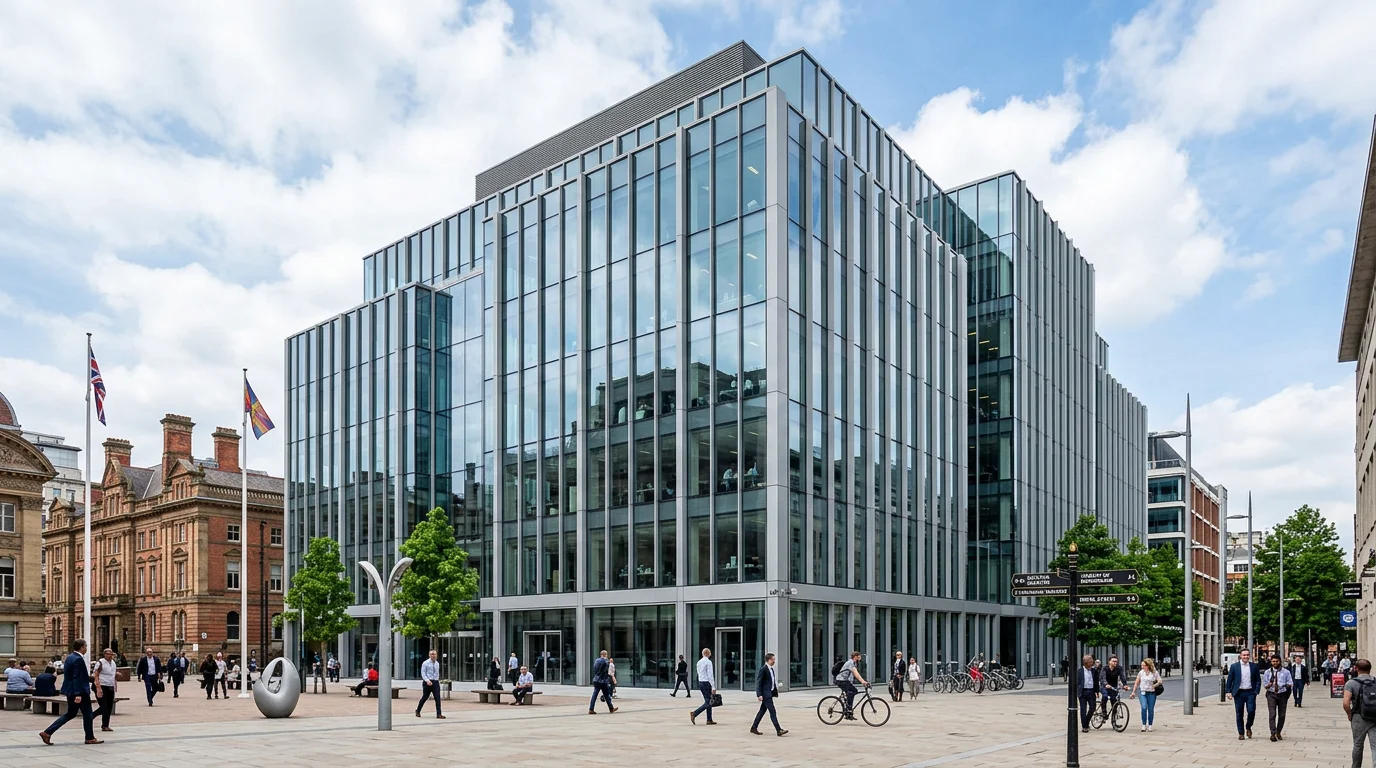
Why prime rents keep climbing
Rental growth in Bristol is not a short-term spike. Savills notes that the city has recorded 39% prime rental growth since the end of 2019, placing it alongside Birmingham as the joint-highest prime market among the UK's Big Six regional cities. Projections point toward £60 per square foot by 2028 as premium supply tightens further.
Several forces sit behind this trajectory. New development is limited, sustainability standards are rising, and occupiers increasingly favour buildings with strong amenities and energy performance. As a result, Grade A office space commands a widening premium over older stock. Secondary buildings remain more affordable, yet they often carry hidden costs in refurbishment, energy bills and repositioning.
Understanding the different types of commercial property
Not every business needs a headquarters lease. The Bristol market spans retail units, industrial and warehouse space, mixed-use assets and offices of every size. For growing teams, the practical question is usually whether to commit to a conventional lease or to choose a more flexible arrangement that scales with headcount.
Conventional leases offer control and long-term stability, but they demand capital, fit-out and multi-year commitment. Flexible alternatives reduce that burden. If you are weighing the trade-offs, our overview of Managed offices explained clarifies where responsibility for fit-out, maintenance and services actually sits under each model.
| Option | Typical commitment | Fit-out responsibility | Best suited to |
|---|---|---|---|
| Block Workspace flexible membership | Ultra flexible, short to rolling | Included, move-in ready | Startups, SMBs and growing teams wanting transparency |
| Conventional lease | Multi-year | Tenant funds fit-out | Established firms needing full control |
| Traditional serviced suite | Monthly to annual | Provider managed | Teams needing dedicated private space |
What flexible workspace offers growing teams
Imagine a ten-person team that expects to double within eighteen months. A five-year lease on Grade A space at prime rates could quickly become either too small or too costly. Flexible workspace addresses exactly this uncertainty by matching space to the stage a business has actually reached.
We built our model around this reality. Our Serviced offices in Bristol combine private space, daily coworking and lounges with amenities such as gyms, cafes and roof terraces, all with ultra flexible membership and no hidden costs. For teams between ten and fifty people, our Private office space (10–50 people) in Bristol provides dedicated rooms without the weight of a traditional commitment.

How the wider Bristol property market shapes decisions
Commercial demand does not exist in isolation. The strength of Bristol as a place to live and work feeds directly into occupier confidence. Data from the Office for National Statistics shows the average monthly private rent in the city reached £1,883 in May 2026, a 7.9% rise year on year and well above the South West average.
A city where residential demand and wages support talent retention tends to sustain office demand too. That helps explain why occupiers continue to compete for quality space despite rising costs. For businesses, the takeaway is straightforward: Bristol's fundamentals remain firm, so budgeting for premium space is prudent rather than pessimistic.
Practical steps before you commit
Start with a clear brief. Define headcount, growth expectations, budget ceiling and the amenities your team genuinely values. In a market this tight, arriving with clarity shortens negotiations and improves outcomes.
Next, weigh total occupancy cost rather than headline rent alone. Business rates, service charges, energy performance and fit-out can shift the true figure significantly. Finally, act with reasonable urgency; with prime supply constrained, the strongest options in Bristol rarely remain available for long.
Making the right choice for your business
Choosing commercial property in Bristol in 2026 means navigating rising prime rents, low vacancy and firm occupier demand. The businesses that fare best are those that plan early, assess total cost honestly and match their commitment to their actual stage of growth. Whether you favour a conventional lease or a flexible arrangement, clarity on your needs and disciplined comparison of options will protect both your budget and your ability to scale.
Take action with Block Workspace
You have seen how competitive the market has become and how quickly quality space disappears. When your priority is a workplace that grows with you rather than one that locks you in, flexibility becomes the deciding factor. That is exactly where we can help your team settle in without the usual friction.
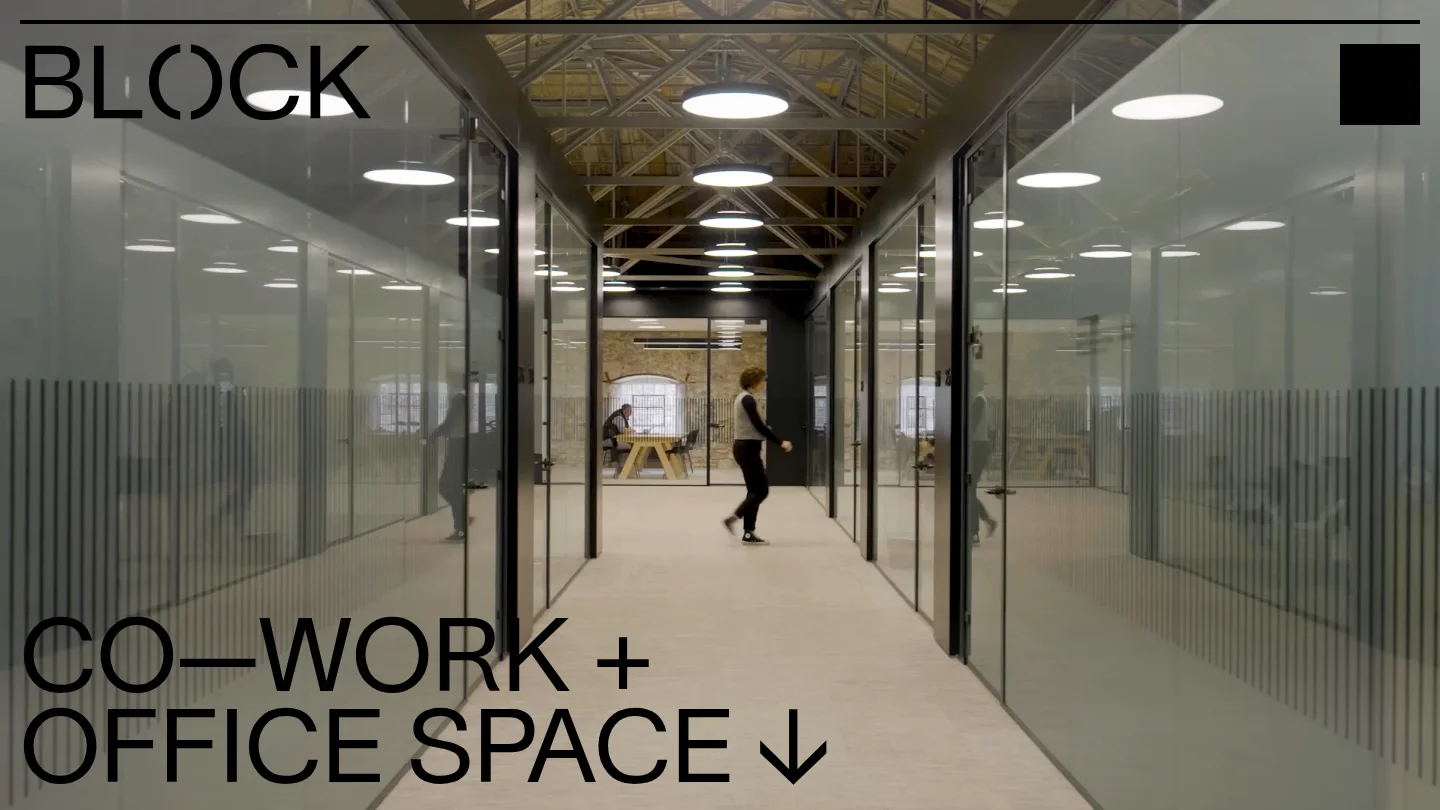
We provide stylish private offices, daily coworking and lounges across our Bristol location, backed by ultra flexible membership, transparent pricing with no hidden costs, and amenities such as gyms, cafes and roof terraces. Explore our flexible Bristol workspace and private offices to find a home that fits your team today and your ambitions tomorrow.
Frequently Asked Questions
How much does office space cost in Bristol in 2026?
Prime office rent reached £52.00 per square foot in the first quarter of 2026, among the highest in the UK regional markets. Secondary and out-of-town space costs less, though total occupancy costs depend on rates, service charges and fit-out.
Is it hard to find quality office space in Bristol right now?
Yes, availability of the best space is limited. Grade A vacancy fell to around 2.8% in early 2026, so high-quality options are scarce and move quickly. Planning your search well in advance is strongly advised.
What is the difference between a lease and flexible workspace?
A conventional lease requires a multi-year commitment and tenant-funded fit-out, offering control but less agility. Flexible workspace, such as our serviced and private offices in Bristol, provides move-in-ready space with shorter terms and transparent pricing.
Which type of commercial property should a growing team choose?
Teams expecting rapid change often benefit from flexible arrangements that scale with headcount. Established organisations that value long-term control may prefer a conventional lease. The right choice depends on your growth outlook and budget certainty.
Why do Bristol rents keep rising?
A limited development pipeline, constrained prime supply and rising demand for sustainable, amenity-rich buildings all push rents upward. Prime rental growth reached 39% since 2019, and further increases are projected through 2028.